Mold Inspection And Removal in Essex County, NJ
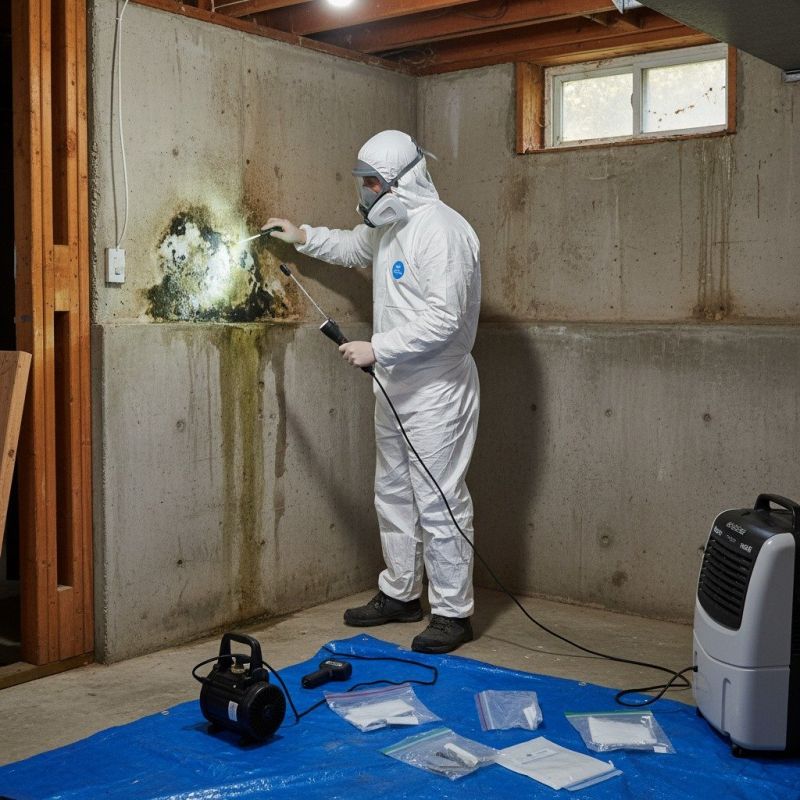
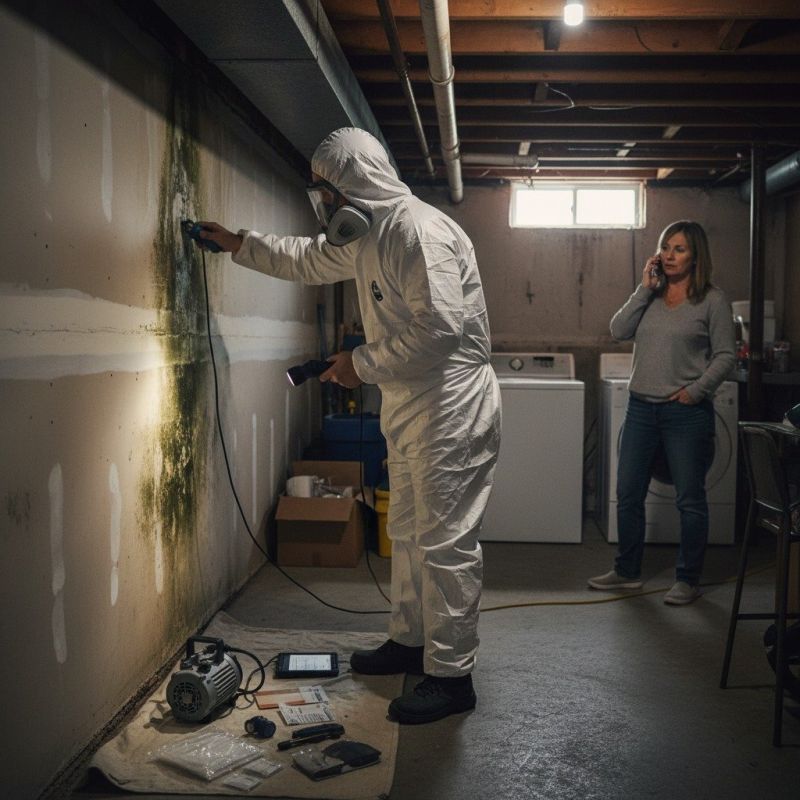
Mold inspection and removal services are designed to identify and eliminate mold growth within residential properties. These services typically cover areas such as basements, bathrooms, attics, and other moisture-prone spaces where mold may develop. Homeowners often seek these services after noticing signs like a musty odor, visible mold patches, or unexplained health symptoms among residents. Understanding the extent of mold presence and the potential health risks involved are common concerns before requesting inspection and removal, ensuring property owners can make informed decisions about their indoor environment.
Before requesting mold inspection and removal, property owners usually want to understand the scope of the project, including whether the mold is confined to a specific area or widespread throughout the property. They may also inquire about the methods used to detect hidden mold behind walls or under flooring, as well as the steps involved in safely removing mold and preventing future growth. Clear communication about these aspects helps ensure homeowners are prepared for the process and can address any underlying issues contributing to mold development, such as leaks or poor ventilation.
Many property owners in Essex County, NJ look into Mold Inspection And Removal for repairs, replacements, upgrades, and appearance-related improvements.
Signs Of Mold Growth
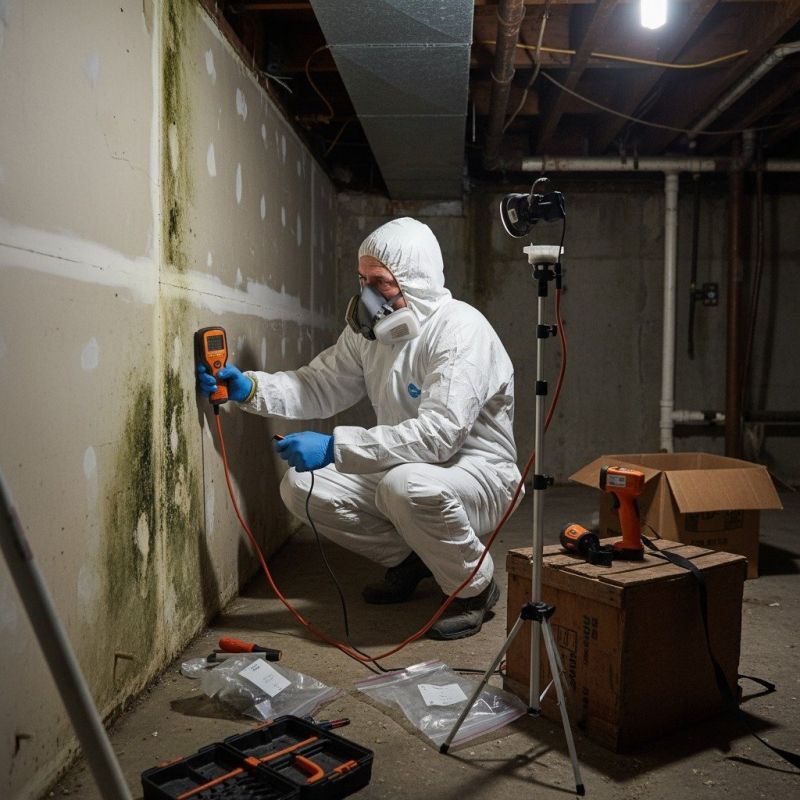
Homeowners in essex county often notice musty odors or visible spots indicating mold presence.
Inspection Process
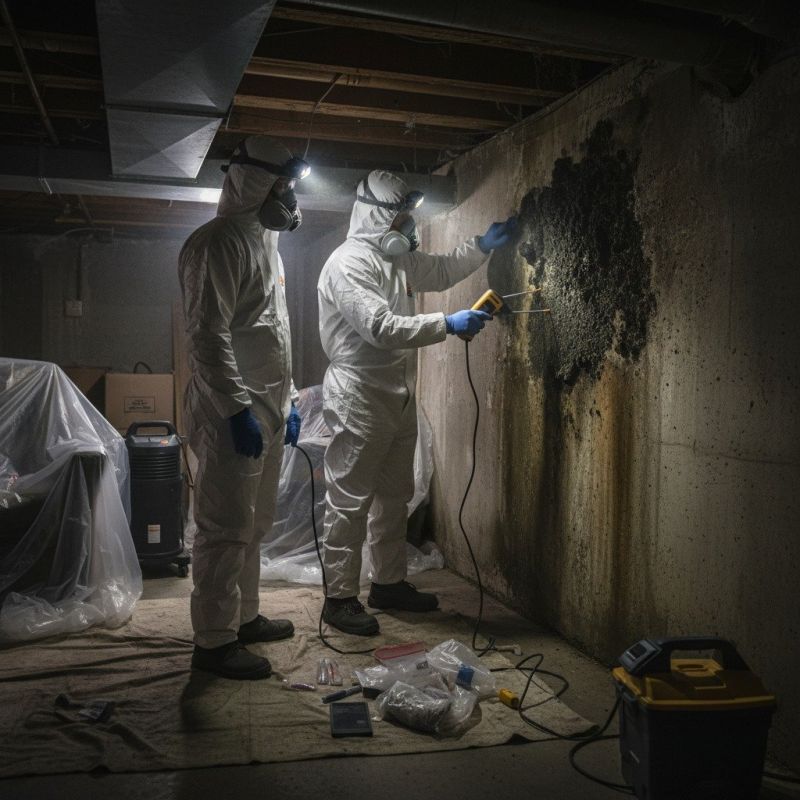
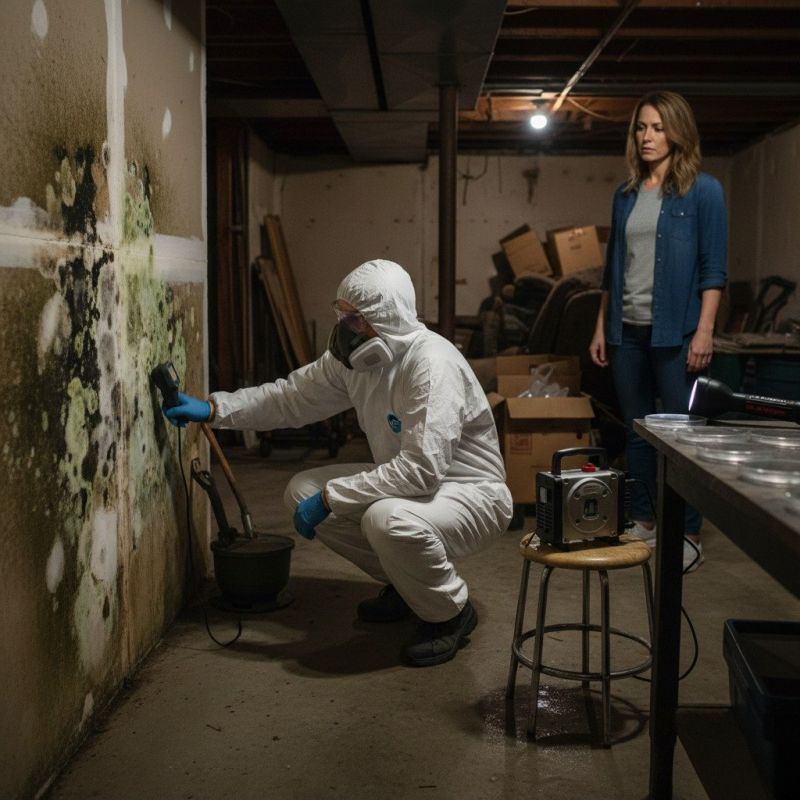
A thorough assessment identifies mold sources and determines the extent of contamination in residential and commercial properties.
Removal And Prevention
Effective mold removal restores indoor air quality and helps prevent future growth issues in essex county homes and buildings.
Mold Inspection And Removal in Essex County, NJ
Mold inspection and removal services are designed to identify and eliminate mold growth within residential properties. These services typically cover areas such as basements, bathrooms, attics, and other moisture-prone spaces where mold may develop. Homeowners often seek these services after noticing signs like a musty odor, visible mold patches, or unexplained health symptoms among residents. Understanding the extent of mold presence and the potential health risks involved are common concerns before requesting inspection and removal, ensuring property owners can make informed decisions about their indoor environment.
Before requesting mold inspection and removal, property owners usually want to understand the scope of the project, including whether the mold is confined to a specific area or widespread throughout the property. They may also inquire about the methods used to detect hidden mold behind walls or under flooring, as well as the steps involved in safely removing mold and preventing future growth. Clear communication about these aspects helps ensure homeowners are prepared for the process and can address any underlying issues contributing to mold development, such as leaks or poor ventilation.
Many property owners in Essex County, NJ look into Mold Inspection And Removal for repairs, replacements, upgrades, and appearance-related improvements.
Common Mold Inspection And Removal Jobs
Mold Inspection Services - thorough assessments to identify mold presence and sources within residential properties.
Mold Removal Services - targeted cleaning and remediation to eliminate mold growth and prevent future issues.
Water Damage Mold Prevention - inspection and treatment following water leaks or flooding to reduce mold risk.
Hidden Mold Detection - specialized techniques to locate mold in concealed areas such as behind walls or under flooring.
Mold Containment Solutions - measures to isolate affected areas and prevent mold spores from spreading to other parts of the property.
Post-Remediation Testing - verification to ensure mold has been fully removed and indoor air quality is restored.
Mold Inspection And Removal Questions
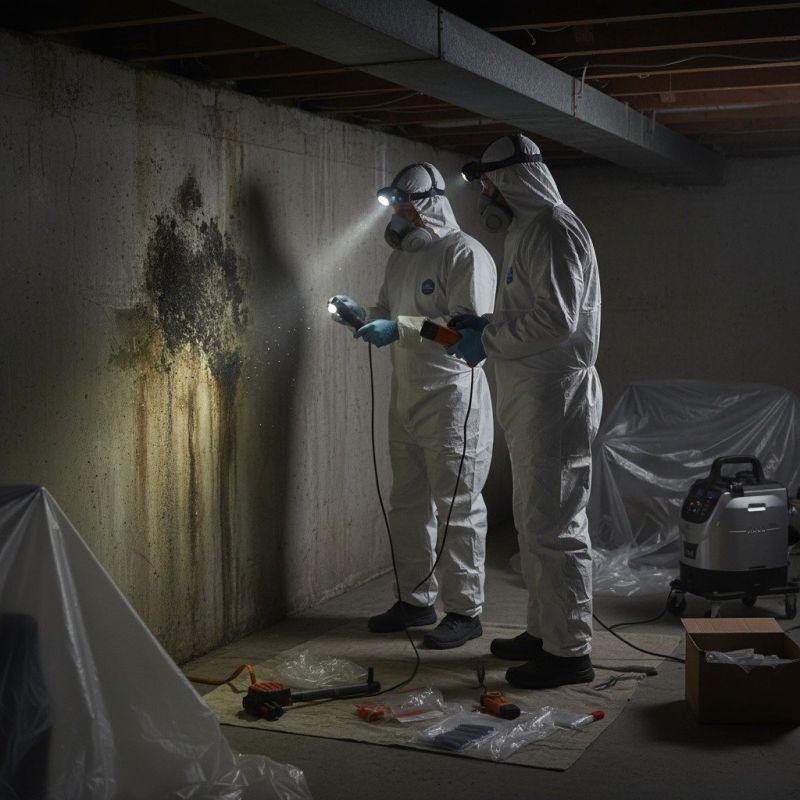
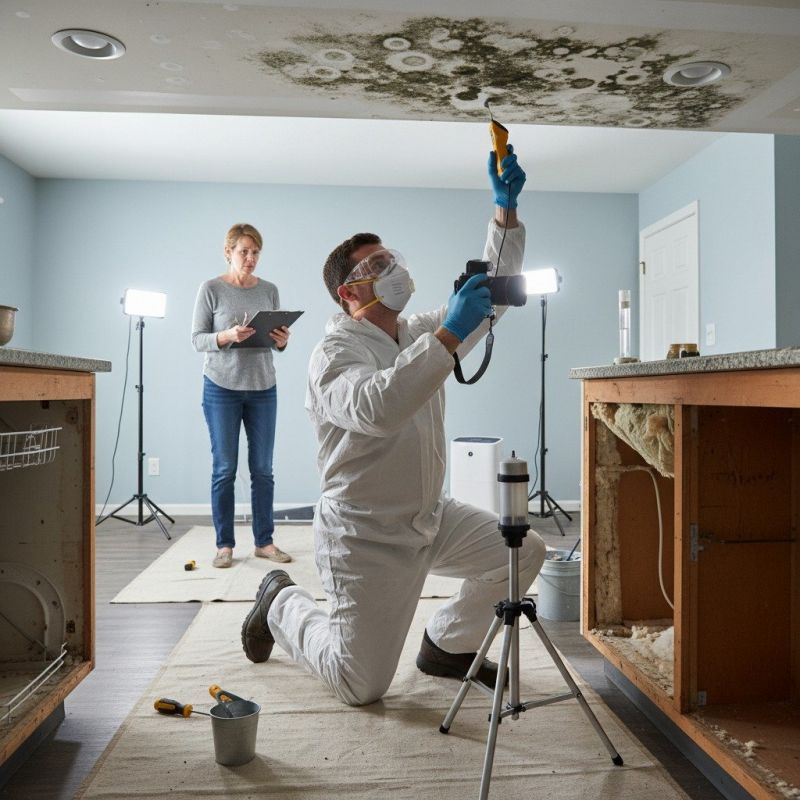
What is involved in a mold inspection? A mold inspection typically includes a visual assessment of the property and may involve moisture measurements to identify hidden mold sources.
How is mold removed from a property? Mold removal involves cleaning affected areas with specialized methods to eliminate mold growth and prevent future issues.
What types of projects require mold removal? Mold removal is commonly needed after water damage, leaks, or visible mold growth on surfaces like walls, ceilings, or furniture.
Why is it important to address mold issues promptly? Addressing mold quickly helps prevent health problems and reduces the risk of mold spreading to other parts of the property.
Request Mold Inspection And Removal in Essex County, NJ
Use the quote form on this page to share the basics of your project and request more information for the type of work you need.