Common Causes Of Mold Growth In Homes
People searching for mold removal are often trying to eliminate mold caused by common issues like leaks and humidity, with local contractors ready to help restore a healthy home.
If you’ve been researching common causes of mold growth in homes, you’ve come to the right place. Understanding what leads to mold issues is an important step for property owners who want to maintain a healthy, safe living environment. Mold thrives in areas where moisture and humidity are not properly managed, making it a common concern in homes with leaks, poor ventilation, or high indoor humidity levels. Recognizing these factors can help homeowners identify potential problem spots early, and knowing when to seek help from local contractors can make all the difference in preventing extensive mold damage.
For property owners in the area, exploring the causes of mold growth is a practical move toward protecting their investment. Mold can develop behind walls, under flooring, or in hidden corners, often due to overlooked issues like plumbing leaks or inadequate airflow. When mold is suspected or detected, professional mold removal services from experienced local service providers are available to address the problem effectively. Staying informed about the common causes of mold growth in homes can empower homeowners to take proactive steps and ensure that expert help is available when needed.
- Basement moisture issues - when excess humidity or leaks create damp conditions conducive to mold growth, local contractors can identify and address the source of moisture.
- Poor ventilation - areas with inadequate airflow can trap moisture, prompting service providers to recommend ventilation improvements to prevent mold development.
- Leaking pipes or roofs - ongoing leaks can lead to water accumulation, and local pros can perform repairs to eliminate the moisture that fosters mold.
- High indoor humidity levels - consistently elevated humidity can promote mold, with service providers offering solutions to control indoor moisture.
- Flooding or water intrusion - after flood events, local contractors can thoroughly dry and treat affected areas to reduce the risk of mold growth.
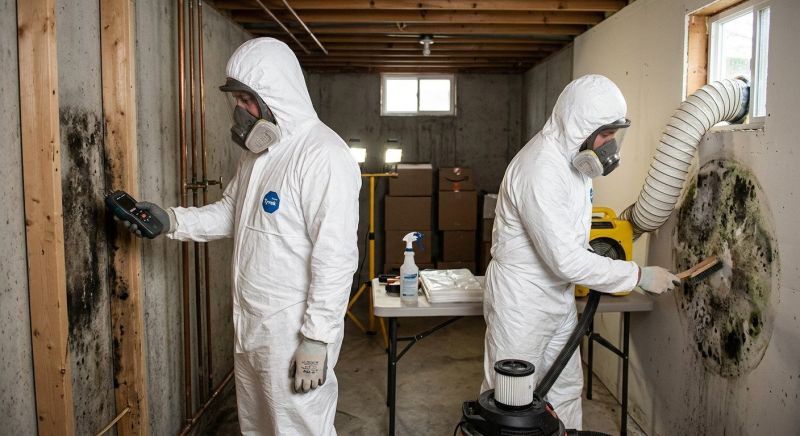
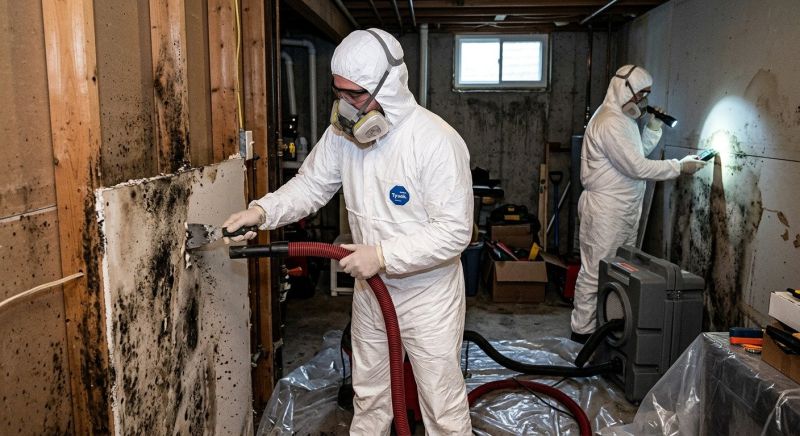
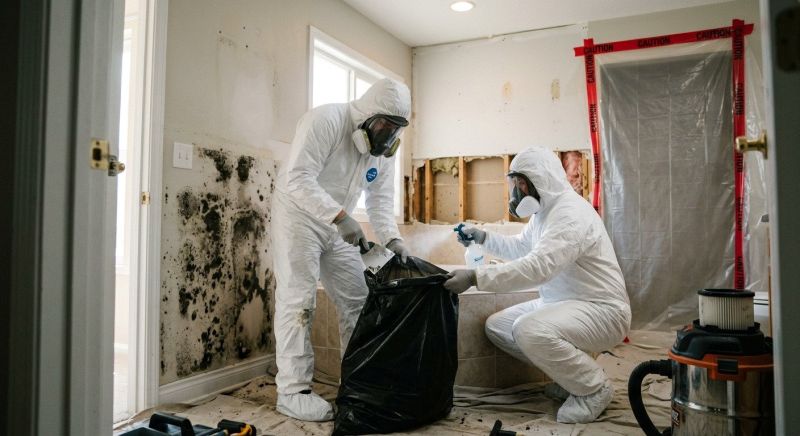
Understanding common causes of mold growth in homes is essential for homeowners who want to prevent or address mold issues effectively. When people search for this topic, they often seek to identify why mold appears in their living spaces and how it might be linked to moisture problems or structural issues. These concerns are closely related to home maintenance, renovation plans, or addressing existing mold infestations. Property owners are typically interested in understanding how everyday conditions-such as humidity levels, leaks, or poor ventilation-contribute to mold development, so they can take proactive steps or find qualified service providers who specialize in mold prevention and removal.
Mold growth is most often associated with areas that experience persistent moisture or high humidity. Common problems include leaks from plumbing, roof, or windows, which create damp environments ideal for mold spores to thrive. Poor airflow or inadequate ventilation in spaces like bathrooms, kitchens, or basements can also lead to moisture buildup. These issues are frequently encountered in residential properties, especially older homes or buildings with outdated infrastructure. Homeowners may also notice mold in areas with poor insulation or where water has penetrated the structure, making it a concern during renovation or repair projects.
Certain types of properties tend to be more prone to mold growth due to their design or location. Basements and crawl spaces are common sites because they often have limited ventilation and are more exposed to ground moisture. Attics can also develop mold if roof leaks or ventilation problems are present. Homes situated in humid climates or those with frequent water intrusion issues are particularly vulnerable. Additionally, properties with inadequate drainage around the foundation may experience water pooling or seepage, creating an environment conducive to mold. Recognizing these property types helps homeowners understand where to focus mold prevention efforts and when to seek help from local contractors experienced in mold remediation.
Addressing common causes of mold growth in homes often involves identifying and correcting underlying moisture issues. Local service providers who specialize in mold removal can assess problem areas, such as leaks, ventilation deficiencies, or insulation problems, and recommend appropriate solutions. These professionals play a vital role in helping homeowners manage mold risks by providing targeted remediation, moisture control strategies, and repairs to prevent future growth. Connecting with experienced local contractors ensures that mold problems are handled efficiently and thoroughly, reducing the risk of recurring issues and protecting the health and integrity of the home.
Home Inspection Services - inspectors identify moisture issues and water intrusion points that can lead to mold growth, helping homeowners address underlying causes early.
Water Damage Restoration - specialists handle excess water removal and drying, which are critical steps in preventing mold from developing after leaks or flooding.
HVAC System Services - technicians ensure proper ventilation and humidity control, reducing conditions that promote mold proliferation in homes.
Plumbing Repair Services - local contractors fix leaks and plumbing issues that can cause persistent moisture problems linked to mold growth.
Roofing Services - professionals repair roof leaks and improve drainage to prevent water from seeping into walls and ceilings, reducing mold risk.
Ventilation System Installation - experts install or upgrade ventilation to improve airflow and moisture control, which are key in preventing mold development.
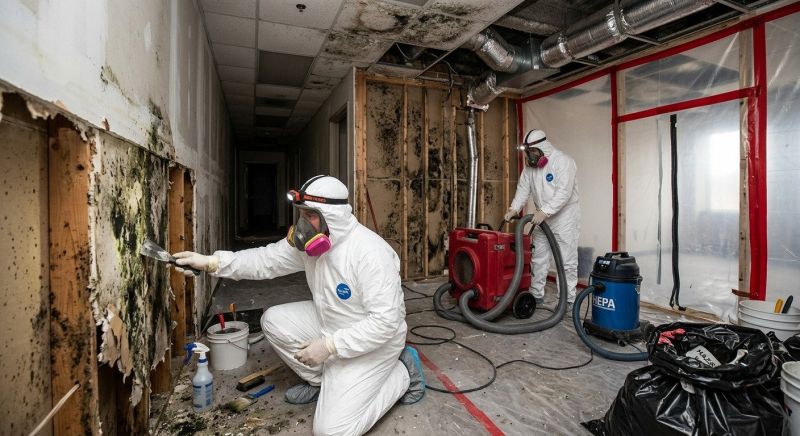
When comparing service providers for mold removal, it’s important to consider their experience with similar projects. Homeowners should inquire about the types of mold issues they have handled in the past and whether they have worked in environments comparable to their own. A contractor with a proven track record in addressing common causes of mold growth in homes-such as high humidity, leaks, or poor ventilation-may be better equipped to identify underlying issues and provide effective solutions. This experience can help ensure that the mold removal process is thorough and that any contributing factors are properly addressed to prevent future growth.
Clear written expectations are essential when evaluating local contractors for mold removal services. Homeowners should seek detailed descriptions of the scope of work, including assessments, remediation steps, and any post-removal recommendations. Having a transparent outline helps establish mutual understanding and ensures that everyone is aligned on what the project entails. It also provides an opportunity to clarify responsibilities related to addressing common causes of mold growth, such as fixing leaks or improving airflow, which are often integral to successful mold prevention.
Reputable references and good communication are key factors to consider during the selection process. Pros with positive references can offer insights into their reliability, professionalism, and the quality of their work. Additionally, contractors who communicate clearly and promptly can make the process smoother, helping homeowners feel confident about the work being performed and any necessary follow-up. When evaluating service providers, it’s beneficial to ask for references that speak to their ability to handle mold issues effectively and to discuss how they approach identifying and addressing the common causes of mold growth in homes.
Property owners often search for common causes of mold growth in homes when they are planning practical projects around their homes and businesses. Local pros provide Mold Removal services for everyday jobs and straightforward project options.
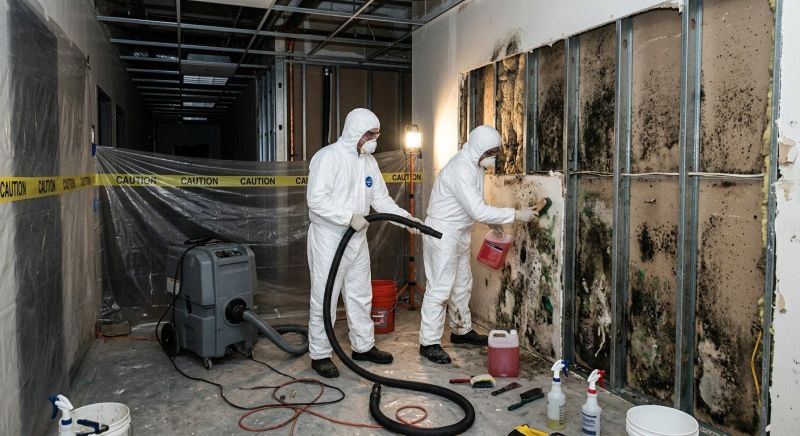
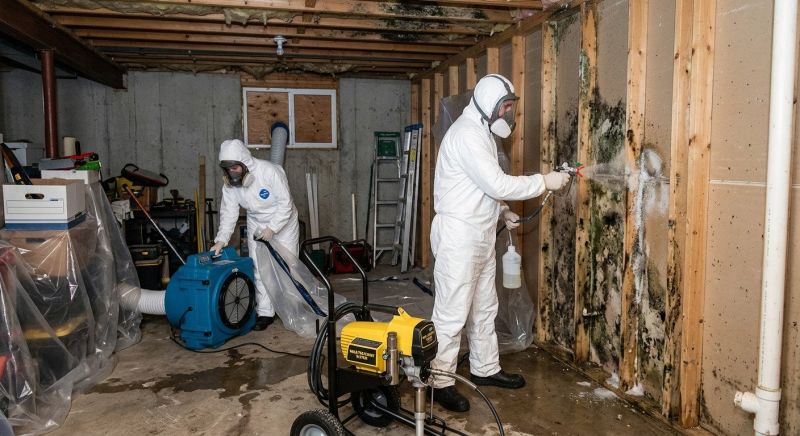
Many homes experience mold growth due to everyday issues like high humidity levels and poor ventilation. Areas such as bathrooms, basements, and kitchens are particularly prone to moisture buildup, especially when ventilation systems are inadequate or windows are left closed during humid weather. Property owners noticing mold spots or musty odors often look into mold removal services offered by local contractors who can assess the affected areas and recommend effective solutions to prevent further growth.
Another common cause of mold in homes is water intrusion from leaks or plumbing issues. Small leaks under sinks, around pipes, or in the foundation can create persistent moisture that fosters mold development over time. Additionally, improper drainage or clogged gutters can lead to water pooling around the property, increasing the risk of mold. Property owners seeking mold removal often turn to local service providers who can identify and address these underlying moisture problems to help maintain a healthier indoor environment.
What are common causes of mold growth in homes? Common causes include excess moisture from leaks, high humidity levels, poor ventilation, and water intrusion from flooding or plumbing issues. Local contractors can identify and address these issues to prevent mold development.
How does water intrusion lead to mold problems? Water intrusion from leaks, roof damage, or foundation cracks creates damp conditions that promote mold growth. Professional mold removal services can handle the cleanup and help fix the source of moisture.
Can high humidity contribute to mold growth? Yes, high indoor humidity levels can create a moist environment conducive to mold. Local service providers can recommend solutions like dehumidification or ventilation improvements to reduce mold risk.
What role does poor ventilation play in mold development? Poor ventilation traps moisture indoors, increasing the likelihood of mold growth on walls, ceilings, and other surfaces. Local pros can improve airflow and ventilation systems to mitigate this issue.
How do plumbing leaks cause mold in homes? Plumbing leaks introduce continuous moisture into walls, floors, or ceilings, providing ideal conditions for mold to thrive. Mold removal specialists can eliminate existing mold and help repair plumbing problems.
High humidity levels - property owners can work with local contractors to identify and reduce indoor humidity through ventilation improvements or dehumidifier installation.
Leaks and water intrusion - addressing plumbing leaks or roof leaks promptly with professional repair services helps prevent mold growth caused by excess moisture.
Poor ventilation - enhancing airflow in kitchens, bathrooms, and basements with proper ventilation systems can minimize moisture buildup that fosters mold.
Condensation issues - consulting with local pros to install insulation or vapor barriers can reduce condensation on walls and ceilings, lowering mold risk.
If you are thinking about common causes of mold growth in homes for a property, this guide is meant to help you understand this topic, the typical project types, and how different options might fit your plans.
When you are ready, you can use the quote form on this page to share a few details about your project. From there, local pros can review the basics and follow up with options that match what you have in mind.